


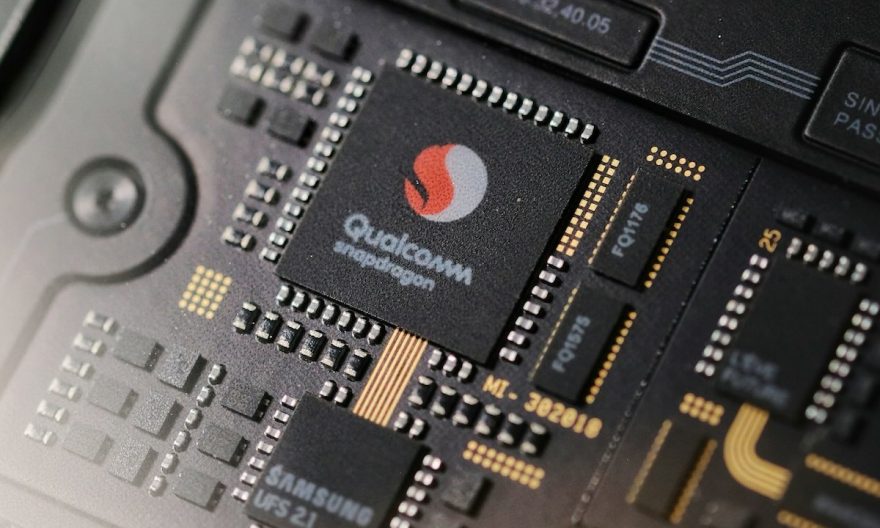
In a context where the shortage of electronic components persists, Qualcomm plans to develop its own DRAM memory in partnership with the Chinese company CXMT. This initiative could transform the way the company manages the production of its Snapdragon chips, crucial for the affordable smartphone market.
Key Takeaways
- Qualcomm has taken the initiative to develop its own DRAM memory in collaboration with the Chinese manufacturer CXMT.
- This approach aims to improve the memory supply for Snapdragon chips, essential for affordable smartphones.
- The project could have a major impact on the Chinese market, and potentially on a larger scale in the medium or long term.
Why Qualcomm is partnering with CXMT
Qualcomm and CXMT are working together to develop custom DRAM modules specifically intended for their mobile chips. This collaboration aims to mitigate the effects of the global DRAM shortage that particularly affects entry-level and mid-range smartphones. By ensuring a more stable supply, Qualcomm hopes to streamline the production of its Snapdragon chips.
The partnership with CXMT, a DRAM expert, could offer Qualcomm better autonomy in managing its supply chain. Although Qualcomm has not officially commented on this collaboration, the stakes are clear: to meet the growing demand for affordable smartphones while circumventing the current market limitations.
Un vide-dressing occasionnel rapporte rarement plus de 200 € par mois. Mais l'écart avec les vendeurs les plus performants est plus large qu'on ne le pense : 300 à 900 €/mois pour une activité régulière (2 à 5h/semaine), et 1 000 à 2 500 €+/mois pour les profils qui traitent Vinted comme un vrai canal de vente structuré. La différence ne tient ni à la chance ni à la taille du dressing de départ : elle tient presque entièrement à la méthode (algorithme, pricing, réactivité) appliquée avec régularité.
Avec 📘 Le Guide Vinted, transformez ce canal en revenu complémentaire structuré, voire en une vraie activité e-commerce.
Une méthode complète pour décoder l'algorithme, optimiser vos annonces comme une landing page, automatiser votre relance commerciale et sécuriser votre activité sur le plan fiscal.
🧠 Les 5 facteurs qui pilotent la visibilité de vos annonces (logique proche du SEO)
📈 Une méthode réplicable pour passer d'une activité occasionnelle à un revenu récurrent
⚖️ Statut, fiscalité, professionnalisation : rester en règle en montant en volume
🚫 Le chapitre que personne n'aborde ailleurs : comprendre et prévenir les blocages de compte
The repercussions on the smartphone market
The rise in component costs, such as DRAM and NAND, has made the production of affordable smartphones less attractive. By developing its own memory, Qualcomm could reduce its dependence on major manufacturers like Samsung and Micron, who prioritize HBM memories intended for data centers and AI.
This initiative could also allow Qualcomm to maintain its production rates and remain competitive against competitors like MediaTek, who are also affected by this shortage.
The challenges of the global memory shortage
The current DRAM shortage is partly due to the decision of major manufacturers to focus their efforts on more profitable HBM memories. This has led to an increase in component prices, particularly impacting entry-level and mid-range smartphones. By taking control of its DRAM production, Qualcomm seeks to mitigate these effects and secure its supplies for the future.
This strategy could allow Qualcomm to respond more effectively to global demand while minimizing disruptions in the supply chain.
Potential impact of Qualcomm’s DRAM project on the global smartphone market in 2026
In 2026, Qualcomm’s initiative could result in greater independence in the production of its essential components, making the company less vulnerable to fluctuations in the memory market. This could also encourage other industry players to explore similar collaborations to secure their own supply chains.
Qualcomm’s ability to produce its own DRAM could also influence the prices and availability of affordable smartphones, a critical segment in many emerging markets. By ensuring a constant supply and better controlling production costs, Qualcomm could position itself as a leader in providing economical and high-performance mobile solutions.