


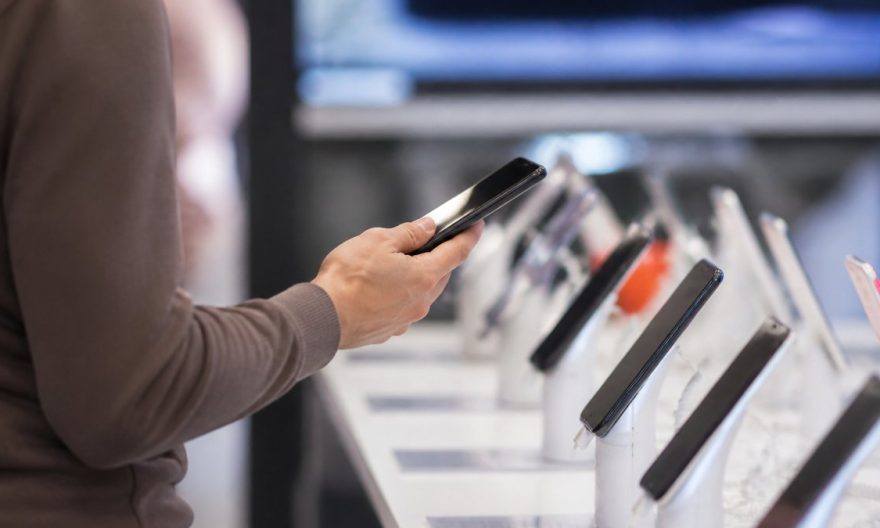
As the year 2026 comes to a close, the global smartphone market is experiencing an unprecedented period of turbulence. According to a report by the analyst firm Omdia, the sector is experiencing a contraction of 12% compared to the previous year. This decline, surprising to some, is explained by a combination of economic and technological factors that mark a turning point in consumer purchasing habits.
The key points to remember
- The smartphone market is expected to contract by 12% in 2026 compared to 2025.
- The market value increases despite the drop in shipments, reaching 651.6 billion dollars.
- Consumers are turning to more expensive and high-performance models, abandoning entry-level smartphones.
Imagine yourself looking for a new smartphone in 2026. You notice that entry-level models have evolved little and their price has increased significantly. You might remember a time when affordable smartphones represented a significant share of the market. Today, you face a dilemma: invest in a more expensive but more efficient model, or wait a little longer before renewing your device. This decision is not yours alone. It reflects a global trend that is reshaping the smartphone market.
Omdia’s forecasts for 2026: a 12% drop
In 2026, the global smartphone market contracts by 12% compared to 2025, according to Omdia. This decrease in shipments is the most alarming figure in recent years, reaching 1097 million units. The firm predicts that this negative trend could continue in 2027.
Un vide-dressing occasionnel rapporte rarement plus de 200 € par mois. Mais l'écart avec les vendeurs les plus performants est plus large qu'on ne le pense : 300 à 900 €/mois pour une activité régulière (2 à 5h/semaine), et 1 000 à 2 500 €+/mois pour les profils qui traitent Vinted comme un vrai canal de vente structuré. La différence ne tient ni à la chance ni à la taille du dressing de départ : elle tient presque entièrement à la méthode (algorithme, pricing, réactivité) appliquée avec régularité.
Avec 📘 Le Guide Vinted, transformez ce canal en revenu complémentaire structuré, voire en une vraie activité e-commerce.
Une méthode complète pour décoder l'algorithme, optimiser vos annonces comme une landing page, automatiser votre relance commerciale et sécuriser votre activité sur le plan fiscal.
🧠 Les 5 facteurs qui pilotent la visibilité de vos annonces (logique proche du SEO)
📈 Une méthode réplicable pour passer d'une activité occasionnelle à un revenu récurrent
⚖️ Statut, fiscalité, professionnalisation : rester en règle en montant en volume
🚫 Le chapitre que personne n'aborde ailleurs : comprendre et prévenir les blocages de compte
The widespread increase in smartphone prices, on average 100 € compared to previous models, discourages consumers. The new features offered by manufacturers are no longer enough to justify these increases, prompting many users to keep their devices longer.
The market value increases despite the drop in shipments
Despite the contraction in sales, the overall value of the smartphone market increases by 12% to reach 651.6 billion dollars in 2026. This increase is mainly due to the growing popularity of premium models, sold for more than 800 $. These devices now represent 28.4% of the market, compared to 21.1% at the end of 2025.
Entry-level smartphones, once popular, see their market share drop from 40.6% in 2025 to only 25.6% by 2027. The RAM crisis, affecting all manufacturers, exacerbates this trend, making affordable models less attractive.
Apple and the diversification of its catalog
Faced with this contraction, smartphone manufacturers are diversifying their offerings. Apple, for example, has launched its iPhone 18 Pro and iPhone Duo, and plans to unveil the standard iPhone 18 in spring 2027. This strategy allows for staggered launches throughout the year and maintains consumer interest.
Apple is also capitalizing on the rise in iPhone prices to offset the drop in volumes. Although pre-orders for the iPhone 18 Pro are fewer, the increased price of 150 € compared to the previous year allows the company to maintain high profit margins.
The booming market for wearables and accessories
Alongside the contraction in smartphone sales, the market for wearables and other accessories continues to grow. Consumers are increasingly turning to these devices to complement their technological ecosystems. Sales of smartwatches and wireless earbuds are increasing, offering manufacturers new revenue opportunities.
This diversification allows companies like Apple, Samsung, and Huawei to partially offset the decline in smartphone sales. Wearables are becoming an essential component of their long-term growth strategy.
Sustainability, a key issue in consumer choice
Environmental concerns are increasingly influencing consumer purchasing decisions. The sustainability of technological products is becoming an important criterion, pushing manufacturers to offer more repairable and recyclable devices.
Companies like Fairphone embody this trend by offering modular and ethical smartphones. This model attracts a clientele concerned about reducing their environmental impact and could well redefine industry standards in the future.
FAQ on the smartphone market in 2026
Why is the smartphone market contracting in 2026?
The contraction is due to a combination of price increases, unconvincing new features, and a trend of consumers keeping their devices longer.
How can the market value increase despite the drop in sales?
The market value increases because consumers are turning to more expensive models, which compensates for the drop in sales volumes.
What strategies are manufacturers using to counter the drop in sales?
Manufacturers are diversifying their offerings by developing wearable products and staggering the launches of new models throughout the year.
What role does sustainability play in consumer choice?
Sustainability is becoming increasingly important, with consumers favoring repairable and recyclable devices to reduce their environmental impact.