


'/%3E%3Cpath%20fill='%23b2b2b2'%20d='M241%20382q0%2016%2017%2026%2017%2011%2042%2011t42-11q16-11%2017-26V269H241'/%3E%3Cpath%20fill='%239f7e00'%20d='M241%20379q0%2014%208%2023%209%209%2021%209%2014%200%2021-9%209-9%209-23V269h-59'/%3E%3Cpath%20d='M241%20339v-70h59v110q0%2014-9%2023l-6%205v-68h-15v72q-8%200-14-4v-68zm59%2040c0%2022%2015%2032%2029%2032%2021%200%2030-18%2030-32v-40h-59'/%3E%3Cpath%20fill='%239f7e00'%20d='M266%20277v5h2v12h-3v-5h2v-5h-9v5h2v5h-4v9h3v18h-5v10h34v-10h-5v-18h3v-9h-4v-5h2v-5h-9v5h2v5h-3v-12h2v-5zm42%20101q0%2010%206%2017%206%206%2015%207%2010-1%2016-7%206-7%206-17v-29h-43'/%3E%3Ccircle%20fill='%230044ad'%20cx='329.5'%20cy='372'%20r='6'/%3E%3Cellipse%20fill='%230044ad'%20cx='300'%20cy='340'%20rx='16'%20ry='21'/%3E%3C/svg%3E)

'/%3E%3C/g%3E%3Cuse%20href='%23c'%20transform='matrix(-1%200%200%201%20720%200)'/%3E%3C/svg%3E)
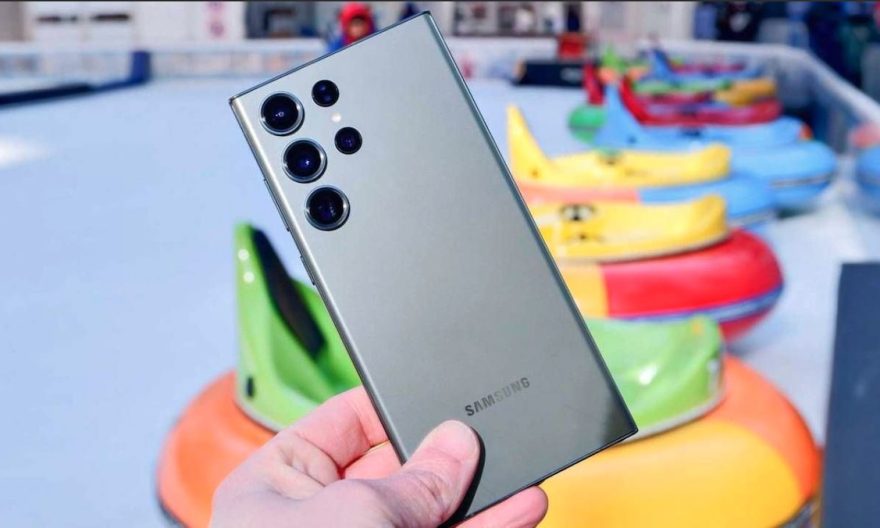
The Samsung Galaxy S26 Ultra, known for its impressive 200-megapixel sensor, encounters an unexpected issue. Users report the appearance of fog inside the lenses after thermal shocks, a phenomenon that could compromise photo quality. Discover how a simple transition between extreme temperatures can alter the photographic experience of this high-end smartphone.
The essentials to remember
- Galaxy S26 Ultra users report an internal fogging issue on the lenses caused by thermal shocks.
- The smartphone’s IP68 certification does not protect against this condensation phenomenon.
- Samsung offers solutions on a case-by-case basis, without acknowledging a widespread defect.
Condensation issue on the Galaxy S26 Ultra
Since March 2026, several owners of the Samsung Galaxy S26 Ultra have expressed their dissatisfaction on Reddit and various Facebook groups. Their testimonies indicate that their lenses fog up from the inside after seemingly harmless temperature variations. A simple round trip between a heated interior and cold outdoor air is enough for fog to appear. This phenomenon occurs without any drop or immersion, but simply by moving from one environment to another.
Limits of IP68 certification
Chaque semaine, nous sélectionnons les solutions les plus utiles pour les professionnels du digital : IA, productivité, marketing, création de contenu et business. Voici les outils que nous recommandons actuellement.
☁️ pCloud – Le stockage cloud sécurisé avec une offre à vie.
Sauvegardez vos fichiers, photos et documents importants avec plusieurs centaines de Go ou plusieurs To disponibles.
→ Découvrir l'offre pCloud
🛒 Shopify – Créez votre boutique e-commerce sans coder.
Une solution complète pour lancer, gérer et développer votre activité en ligne.
→ Tester Shopify gratuitement
🤖 Jasper – L'assistant IA pour accélérer votre marketing.
Création de contenus, campagnes publicitaires et idées marketing : gagnez du temps grâce à l'intelligence artificielle.
→ Découvrir Jasper
🎬 CapCut Pro – Le montage vidéo dopé à l'IA.
Créez rapidement des vidéos professionnelles avec des outils avancés et automatisés.
→ Tester CapCut Pro
📊 HubSpot CRM – Le CRM idéal pour structurer votre croissance.
Gérez vos prospects, vos ventes et vos campagnes marketing depuis une seule plateforme.
→ Découvrir HubSpot CRM
🧠 MindManager – Organisez vos idées et vos projets efficacement.
Un outil puissant pour créer des mind maps, structurer vos stratégies et mieux collaborer.
→ Découvrir MindManager
🇬🇧 Gymglish – Améliorez votre anglais professionnel chaque jour.
Des cours personnalisés et courts pour progresser facilement, quel que soit votre niveau.
→ Profiter de l'essai gratuit
🌍 Preply – Apprenez une langue avec un professeur particulier.
Trouvez un enseignant adapté à vos objectifs et progressez à votre rythme.
→ Trouver votre professeur
The Galaxy S26 Ultra is IP68 certified, which guarantees resistance to fresh water up to 1.5 meters deep for 30 minutes. However, this certification does not cover pressure changes or ambient humidity. Smartphones cannot be completely airtight, as this could cause pressure issues during air travel. Manufacturers therefore use seals and other materials to ensure some level of waterproofing, without completely preventing the circulation of moist air.
Impact of thermal shocks on photography
The S26 Ultra is equipped with the Snapdragon 8 Elite processor and a vapor chamber cooling system. When it heats up, especially during AI processing or 8K video recording, the air inside warms up and absorbs more moisture. If the phone then moves to a colder environment, the lens glass cools quickly, causing internal fogging. This can alter the quality of photos taken with the device.
Samsung’s reactions and proposed solutions
In response to these incidents, Samsung has not yet acknowledged a widespread defect. The brand recommends letting the phone air dry and contacting after-sales service if the problem persists. Some users have been able to obtain a replacement under warranty, but this remains on a case-by-case basis. The situation is being closely monitored, as current data lacks details on the actual extent of the problem.
Precautions to take with your smartphone in cold weather
To avoid issues related to condensation, it is advisable to be cautious when using your smartphone in environments where temperatures change abruptly. Avoid suddenly exposing your device to significant thermal variations, especially if you plan to take photos. By keeping these precautions in mind, you can minimize the risk of fogging on your lenses and preserve the quality of your shots.