


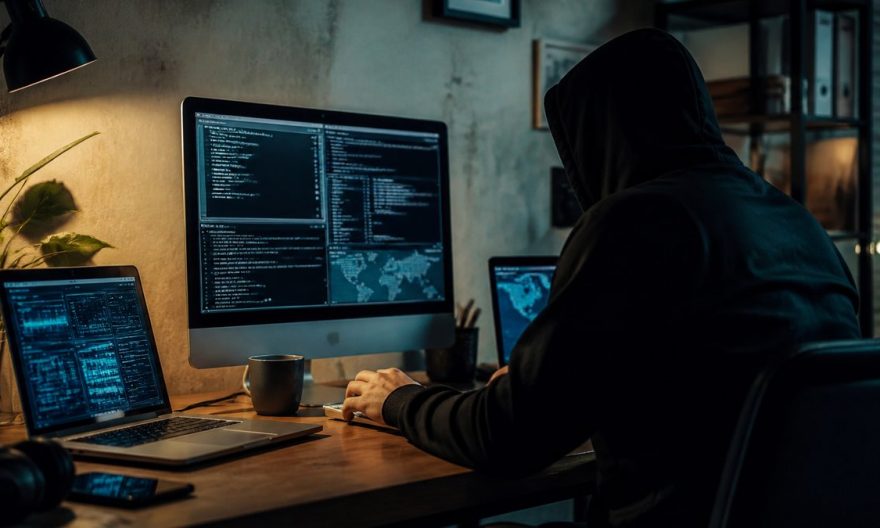
In the digital age, where our lives are increasingly connected, the security of our online accounts is crucial. Discover how to identify the signs of a hacked account and the immediate actions to take to protect your personal data.
Key Takeaways
- Learn to spot common signs indicating an account hack.
- Discover the steps to quickly secure your compromised account.
- Adopt security practices to prevent future attacks.
Imagine yourself one morning checking your emails and noticing unusual activity. Emails sent without your intervention, password change notifications you didn’t request… You are not alone. Millions of users worldwide face intrusions into their accounts every year. Understanding the warning signs and knowing how to react can make the difference between a simple scare and a real digital crisis.
Signs of a Hacked Account: Gmail and Facebook Leading
Gmail and Facebook accounts are among the most targeted by cybercriminals. Telltale signs of a hack include unrecognized emails in your inbox or sent from your address. You might also notice setting changes you didn’t make.
Un vide-dressing occasionnel rapporte rarement plus de 200 € par mois. Mais l'écart avec les vendeurs les plus performants est plus large qu'on ne le pense : 300 à 900 €/mois pour une activité régulière (2 à 5h/semaine), et 1 000 à 2 500 €+/mois pour les profils qui traitent Vinted comme un vrai canal de vente structuré. La différence ne tient ni à la chance ni à la taille du dressing de départ : elle tient presque entièrement à la méthode (algorithme, pricing, réactivité) appliquée avec régularité.
Avec 📘 Le Guide Vinted, transformez ce canal en revenu complémentaire structuré, voire en une vraie activité e-commerce.
Une méthode complète pour décoder l'algorithme, optimiser vos annonces comme une landing page, automatiser votre relance commerciale et sécuriser votre activité sur le plan fiscal.
🧠 Les 5 facteurs qui pilotent la visibilité de vos annonces (logique proche du SEO)
📈 Une méthode réplicable pour passer d'une activité occasionnelle à un revenu récurrent
⚖️ Statut, fiscalité, professionnalisation : rester en règle en montant en volume
🚫 Le chapitre que personne n'aborde ailleurs : comprendre et prévenir les blocages de compte
On Facebook, unsolicited posts, messages sent to your friends without your consent, or login attempts from unusual locations are all warning signals. Stay vigilant about these behaviors to protect your personal information.
What to Do Immediately: Change Your Password and Check Your Security Settings
The first action to take if you suspect a hack is to change your password. Make sure to use a strong password, combining letters, numbers, and special characters. Avoid reusing an old password or a password used on another account.
Next, check your security settings. Ensure your recovery information is up to date, such as your phone number and secondary email address. Enable two-factor authentication if available. This extra layer of security can prevent unauthorized access, even if your password is compromised.
Google: How to Check Your Recent Activity and Secure Your Account
Google offers a handy feature to check your account’s recent activity. Go to the “Security” section of your Google account to view suspicious activities. If you notice unusual logins, immediately disconnect all devices.
To enhance your account’s security, Google recommends going through the security guide provided in your account. This guide includes tips on updating your settings, managing connected apps, and how to report suspicious activity.
Preventing Future Attacks: Best Practices to Adopt
To prevent your account from being hacked again, adopt rigorous security practices. Use a password manager to generate and store unique passwords for each account. This reduces the risk of unauthorized access if one of your accounts is compromised.
Stay informed about the latest cybersecurity threats and apply security updates as soon as they are available. Outdated software is often the entry point for cyberattacks.
Protecting Your Online Privacy: Privacy Settings to Review
In addition to securing your accounts, it is crucial to regularly check your privacy settings. Limit the personal information you share publicly and be aware of the permissions granted to third-party apps. By adjusting these settings, you can reduce the amount of information accessible to hackers.
FAQ
How can I tell if my account has been hacked?
Watch for signs such as emails or messages sent without your intervention, unknown setting changes, and unusual login alerts.
What are the immediate steps to take after a hack?
Change your password immediately, check your security settings, enable two-factor authentication, and disconnect all unknown devices from your account.
How can I strengthen the security of my accounts in the future?
Use strong and unique passwords, enable two-factor authentication, use a password manager, and stay informed about the latest cybersecurity threats.
Which applications are most at risk of hacking?
Popular applications such as Gmail, Facebook, and other social media platforms are often targeted by cybercriminals due to the amount of personal information they contain.